

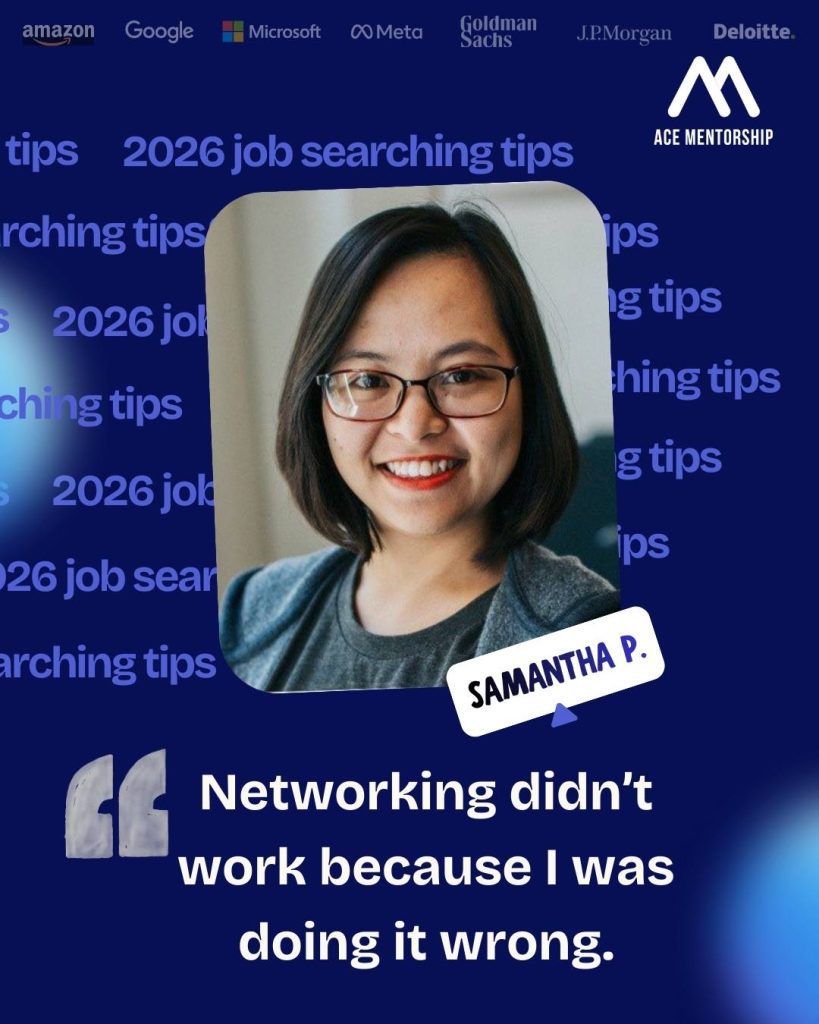
When I went abroad to study, the thing I feared most wasn’t studying. It was networking.
To be honest, I’m not a very outgoing person. Having to start conversations, smile, and introduce myself to strangers feels like torture. Especially when English isn’t your native language, and you’re standing in a room full of highly accomplished people.
But the reality is: for international students, networking isn’t a “nice-to-have” — it’s mandatory, especially as finding internships and jobs keeps getting harder.
Networking didn’t work, it's because I was doing it wrong
In the beginning, I attended a lot of school events, career fairs, and workshops.
I added plenty of people on LinkedIn and made a fair amount of small talk.
But after a few months, looking back, I realized… I had almost no truly meaningful connections.
Why?
- Events are usually one-off.
- Everyone is busy, conversations are quick, and with so many students attending, the chances of being remembered afterward are quite low.
- I was attending events just to “check the box,” without a clear strategy.
Career fairs are important, of course — but if networking only happens at events and career fairs, it’s simply not enough.
The turning point: planning for networking
Everything changed when I shifted my approach.
Instead of relying only on events or career fairs, I did three very simple things:
Proactively reached out to alumni and professionals in the fields I was interested in
Set small goals: coffee chats with 1–2 people per week
Stayed consistent
It may sound like very little, but after just about two months, I had:
7–8 genuinely high-quality relationships
People who were willing to share real experiences
Very practical advice on career paths, interviews, and skills to prepare
The cold email template I used
Hi [Name],
My name is Sam, and I’m currently an MBA candidate focusing on Finance and Analytics at [University Name]. I came across your profile and noticed that you also attended [University Name] — I was really impressed by your career journey, especially your experience at Amazon.
I know this message may come a bit out of the blue, but I was hoping to see if you might be open to a quick 10–15 minute chat at your convenience. I’d love to learn more about your career path, your experience at Amazon, and any advice you might have for someone pursuing a similar direction.
I completely understand if your schedule is tight, and I truly appreciate your time either way. Looking forward to connecting!
Best regards,
Sam
The biggest shift: Changing my networking mindset
Before, I constantly thought:
“How can I make a strong impression?”
“How can I ask for a referral?”
And that mindset made me… tense.
Later, I realized:
👉 Networking isn’t about asking — it’s about connecting and learning.
I started to:
Listen more
Ask about their journeys
Learn how they overcame challenges
Let go of the pressure to “perform”
And most importantly: I stopped obsessing over referrals.
When I genuinely cared and focused on learning from them, everything happened much more naturally.
Give before you ask
One thing I find extremely important:
Networking is give & take, not take–take–take.
I started to:
Share good articles I came across with my network
Send useful information related to their industries
Update them on my studies or work around holidays like Thanksgiving and Christmas
Over time, many of these relationships grew beyond “career connections” and became real friendships or long-term mentorships — even after I started working. (Most of them are now very established in the U.S.)
Where I am now
I’ve been in the U.S. for over 10 years now. I have a stable job and a fairly solid career, and I’m no longer in the “new graduate desperately job-hunting” phase. Networking is no longer something I have to do for my day-to-day work.
But I’m still very mindful about networking.
Not to find a job — but simply because I want to:
Stay connected with people in fields I care about
Talk to younger students to understand what they’re thinking and struggling with
Keep updating my knowledge, perspectives, and awareness of new trends
I hope these small reflections can help younger students — especially those preparing to enter the workforce, looking for internships, or feeling lost about their direction — feel a little less pressured when they hear the word “networking.”